


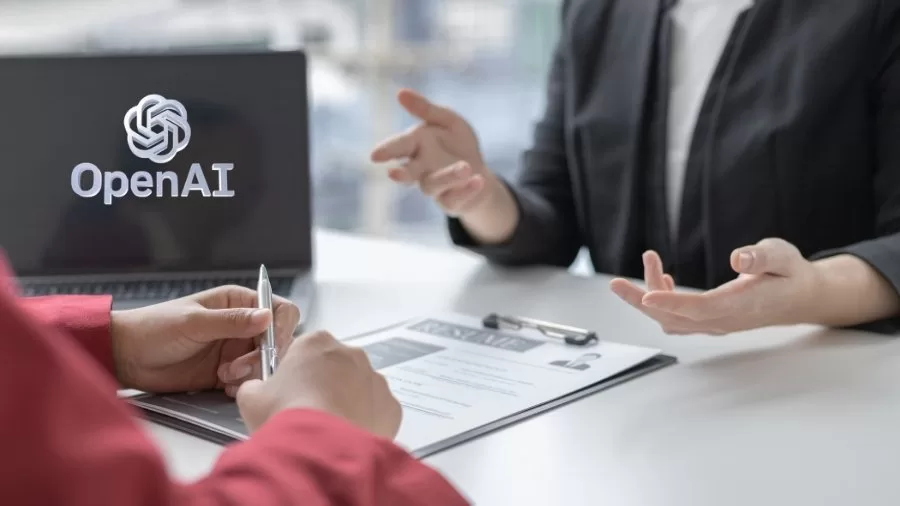
The hiring landscape is about to change dramatically. OpenAI, best known for ChatGPT, has announced its AI-powered Jobs Platform, set to launch by mid-2026. Alongside it comes a new AI Certification Program, aimed at validating skills and enabling more equitable access to the future of work. For HR leaders and talent strategists, this isn’t just another recruitment tool—it could be the most disruptive force since LinkedIn.
What Makes the OpenAI Jobs Platform Different?
Unlike traditional job boards that focus heavily on resumes, keywords, and networks, OpenAI’s platform is designed to:
- Match talent by skills, not just credentials. AI will analyze an applicant’s demonstrated abilities, particularly their “AI fluency,” to match them with employers’ real needs.
- Offer certifications through OpenAI Academy. Employees and job seekers can earn official recognition for their AI competencies—from basic workplace use to advanced prompt engineering.
- Integrate learning with work. Preparation and testing are embedded into ChatGPT’s Study Mode, creating a continuous learning-to-earning loop.
- Support diverse organizations. From small businesses to government bodies, the platform is meant to scale across different sectors.
OpenAI has set an ambitious goal: certifying 10 million workers in the U.S. by 2030.
Why This Matters for HR & Talent Leaders
The OpenAI Jobs Platform signals a shift from résumé-based recruitment to skills-based hiring. For HR leaders, this means:
- Resumes lose dominance. Hiring will lean more on proof of skill (certifications, work samples, AI assessments) than traditional credentials.
- L&D becomes strategic. Employee training and certification will no longer be a perk—it will be a competitive necessity.
- A new talent market emerges. Candidates without elite degrees but with strong AI fluency can compete more fairly.
- Recruitment competition intensifies. Traditional platforms like LinkedIn, Indeed, and niche job boards will face pressure to adapt.
- Equity concerns grow. If access to certifications is uneven, the digital divide could deepen. HR must advocate for inclusive access.
Challenges & Open Questions
- Bias in AI matching: Will the algorithms amplify existing inequalities?
- Employer adoption: How quickly will companies recognize and value OpenAI’s certifications?
- Global rollout: Will emerging markets have equal access, especially where connectivity and language barriers exist?
- SMB readiness: Can smaller organizations afford or effectively leverage such advanced hiring tools?
The OpenAI Jobs Platform is more than a tool—it’s a signal of how the future of hiring will operate: beyond resumes, beyond networks, into a world where skills, fluency, and adaptability define careers. For HR leaders, the question is not whether to adapt, but how fast.

 Get it on Play Store