


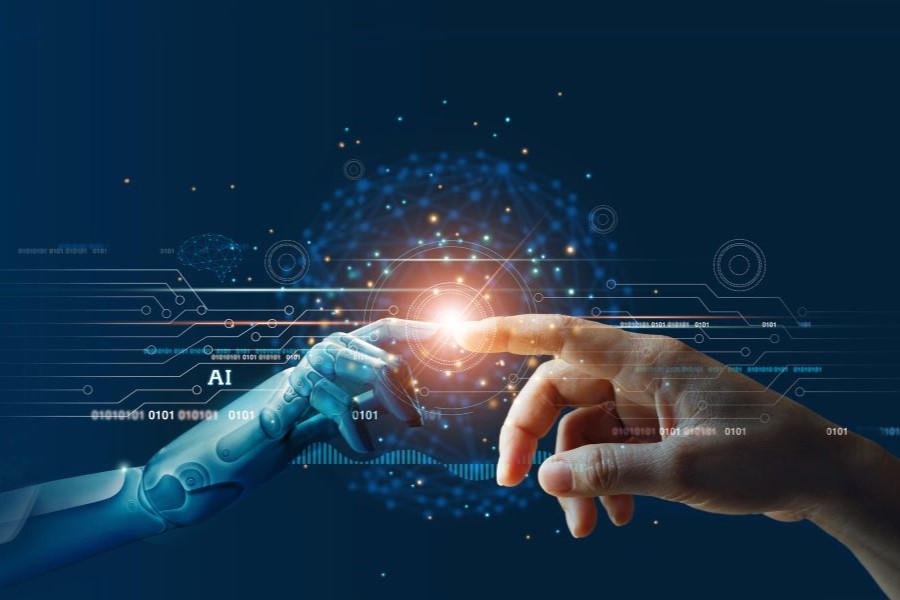
For months, one reassuring message has been repeated in discussions about artificial intelligence: AI will not take jobs; it will only change jobs. While this idea offers comfort, it captures only part of the reality.
Artificial intelligence is dramatically increasing productivity. In several roles, a single professional equipped with AI tools can now perform work that previously required multiple people. Tasks such as content creation, coding, customer support, research, design and even legal drafting can often be completed faster and more efficiently with AI assistance.
When productivity rises sharply, businesses typically require fewer employees to produce the same output. This is a basic economic outcome. Some roles disappear, teams shrink and departments are redesigned. Regardless of how the narrative is framed, AI will influence employment levels across industries.
Technology Has Reshaped Jobs Before
History shows that technological shifts often transform the workforce. When automated teller machines were introduced, banks needed fewer tellers and branch operations changed significantly. Some employees transitioned into advisory or sales roles, while others left the sector.
Similarly, when computers became widespread in offices, typing pools and routine clerical roles declined sharply. Processes became faster and paperwork reduced, but fewer workers were required for repetitive administrative tasks.
Technology tends to create new opportunities, but the transition is rarely smooth.
AI Will Create Jobs—But Not for Everyone at the Same Pace
Artificial intelligence will generate new career paths. However, these new roles may not emerge quickly enough to absorb all displaced workers.
Even when employees upskill, efficiency gains can mean organisations still need fewer people overall. This shift may extend beyond workplaces, influencing household spending patterns, education choices and even the economic stability of cities dependent on specific industries.
Preparation is therefore essential.
The Role of HR Leaders
Human resource leaders play a crucial role in helping organisations navigate this transition. Reskilling initiatives are important, but they cannot protect every role.
For many mid-career professionals, becoming an AI engineer overnight is unrealistic. However, they may adapt by learning automation tools, analytics platforms, advisory roles or AI-assisted workflows that complement their existing expertise.
At the same time, new roles are emerging in areas such as:
-
AI training and data annotation
-
Data quality review
-
Prompt design and AI interaction strategy
-
AI ethics and governance
-
Customer journey planning
Professionals who combine technological understanding with human insight are likely to remain valuable.
Human Skills Become More Important
As AI systems handle data-heavy tasks, human strengths become more critical. Skills such as empathy, communication, leadership, negotiation and creativity remain difficult to automate.
Machines can analyse patterns and generate responses, but they cannot fully replicate human judgement, emotional understanding or trust-building.
Communication and Workplace Culture Matter
Employee anxiety about AI is often less about technology itself and more about uncertainty. When organisations avoid discussing the impact of automation, concerns grow stronger.
In initiatives like Happiest Places to Work, workplace discussions frequently reveal that employees respond better when leaders communicate openly about change and prepare teams in advance.
Moments of disruption also test an organisation’s culture. When workforce reductions occur, employees often remember how transparently leaders communicated, whether training opportunities were offered early, and how respectfully transitions were handled.
Employees Must Also Take Initiative
Workers also share responsibility for adapting to technological change. Remaining curious, learning AI tools, strengthening communication skills and building professional networks can help individuals stay relevant.
Waiting for organisations to determine career paths may no longer be a reliable strategy in a rapidly changing labour market.
Preparing for a Different Workforce Landscape
Artificial intelligence will likely increase efficiency across many sectors. Businesses may see higher productivity and lower operating costs, but the number of employees required in certain roles could decline.
Preparing for these changes will require collaboration across multiple stakeholders. Governments may need to rethink large-scale skilling programmes, companies may need to invest more heavily in early reskilling and career transition support, and educational institutions may need to update curricula more rapidly.
AI is advancing faster than many expected. Accepting this reality and preparing the workforce thoughtfully—while maintaining empathy and transparency—will be essential for organisations seeking to remain resilient in the years ahead.


 Get it on Play Store