


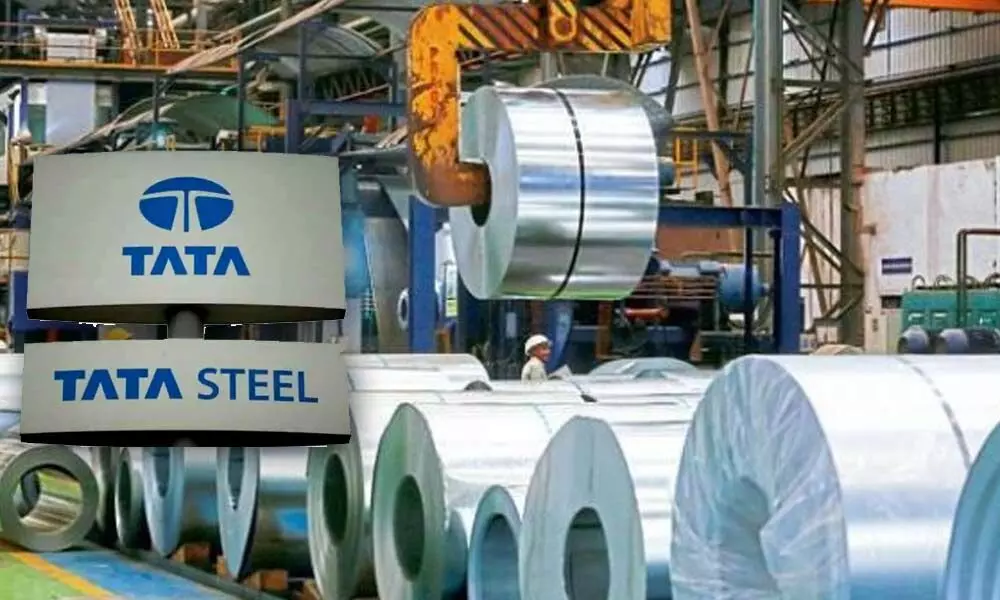
Tata Steel has announced plans to invest ₹10,000 crore in Jharkhand over the next three years as part of its expansion strategy. The investment is expected to generate around 2,000 direct and indirect employment opportunities by 2028 while supporting the company’s capacity growth and sustainability goals.
The investment, announced in Ranchi on 20 July 2026, is aligned with Tata Steel’s objective of increasing its steel production capacity in India from the current 27.35 million tonnes per annum (MTPA) to 40 MTPA. The expansion will combine capacity enhancement with the adoption of cleaner and more efficient steelmaking technologies.
A significant portion of the investment, ₹7,000 crore, will be directed towards the development of HIsarna and Easy Melting Technology. HIsarna is Tata Steel’s proprietary low-emission iron-making process that eliminates the need for coke ovens, sinter plants, and pelletisation units, helping reduce carbon emissions and production costs. The technology has been in commercial operation at the company’s Netherlands facility for the past decade, producing approximately 60,000 tonnes of iron annually.
As part of the initiative, Tata Steel will establish a one-million-tonne pilot HIsarna plant at its Jamshedpur complex. The facility will utilise the site’s existing infrastructure and supply hot metal to the steelmaking units. Engineering and feasibility studies for the project are already underway.
The remaining investment will support downstream business expansion. Tata Steel will invest ₹2,600 crore to modernise its Tinplate Division, while ₹1,500 crore has been earmarked for expanding the Combi Mill. According to Sarvesh Kumar, Chief of Corporate Communication at Tata Steel, these projects will enhance production capacity and diversify the company’s product portfolio.
Company officials also highlighted that the HIsarna process can utilise Indian coking coal, reducing dependence on imported raw materials and lowering input costs. The technology also requires lower capital investment than conventional steel plants by eliminating several upstream processing facilities.
Through this investment, Tata Steel aims to strengthen its manufacturing competitiveness, accelerate the transition to low-carbon steel production, and create new employment opportunities in Jharkhand while supporting India’s growing infrastructure and industrial demand.

 Get it on Play Store