


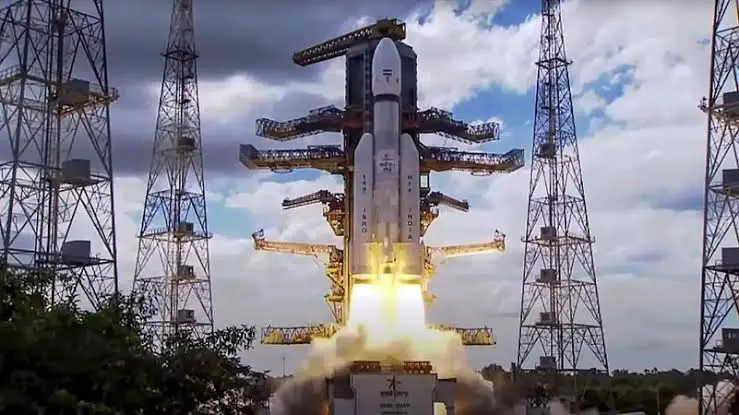
Nine employee associations of the Indian Space Research Organisation (ISRO) have sought clarification from ISRO Chairperson V Narayanan over the government’s reported plans to expand private-sector participation in rocket manufacturing and space-sector operations.
In a letter dated September 4, the associations raised concerns about the future role of ISRO, the impact of potential changes on existing employees and how the proposed policy could affect recruitment and workforce planning.
Employees Seek Details on ISRO’s Future Role
The employee associations said greater private participation in commercial space activities could coexist with a strong public-sector space programme. However, they argued that any move to significantly reduce ISRO’s role in manufacturing launch vehicles or operating space infrastructure requires wider discussion.
The concerns follow remarks reportedly made on August 21 by Pawan Goenka, chairperson of IN-SPACe, regarding the future of launch vehicle manufacturing.
Goenka had said that, over time, launch vehicle production would be undertaken by private companies or public-sector undertakings (PSUs).
The associations said they had not received formal communication explaining the policy framework, its legal basis or how such a transition would affect ISRO’s workforce.
Questions Over PSLV, LVM3 and SSLV
The employees have sought clarity on whether major launch vehicles and future platforms will continue to be manufactured and operated within ISRO.
Among the issues raised are the future roles of the PSLV, LVM3 and SSLV, as well as upcoming launch systems.
The associations also want clarity on how the proposed changes could affect:
- Sanctioned employee strength.
- Existing vacancies.
- Recruitment schedules.
- Future hiring requirements.
- Induction of scientists and technical personnel.
- Long-term career opportunities within ISRO.
The questions are particularly relevant for scientific and engineering graduates seeking careers in India’s space programme.
Employees Raise Concerns Over Technology Transfer
The associations have also emphasised that technologies developed by ISRO represent important national assets.
They argued that any transfer of technology or operational responsibilities to private entities should be carried out with transparency and appropriate safeguards.
According to the associations, issues involving national security, technology protection, operational safety and employment should form part of the discussion before major changes are implemented.
Private Industry Expected to Expand Space Manufacturing
At the same time, the government has been encouraging greater private-sector participation in India’s growing space economy.
Pawan Goenka has reportedly said that ISRO and private industry will need to work together to meet India’s target of achieving around 50 launches annually by 2030.
Under this model, ISRO would continue focusing on research and advanced technology development, while private companies could increasingly take responsibility for scaling up production of rockets, satellites and related technologies.
The objective is to expand India’s launch capacity and develop a larger commercial space ecosystem.
Balancing ISRO’s Research Role With Commercial Expansion
The debate highlights an important question for India’s space sector: how to expand private participation while retaining ISRO’s role as the country’s principal research and technology organisation.
Greater involvement from private companies could increase manufacturing capacity and accelerate commercial activity. At the same time, ISRO employees are seeking clarity on how responsibilities, staffing and recruitment will evolve as the sector changes.
The associations’ letter seeks an official explanation of the government’s policy direction and its implications for ISRO employees.
The issue is likely to remain significant as India moves towards expanding its launch frequency and strengthening the role of private companies in the space economy.


 Get it on Play Store