


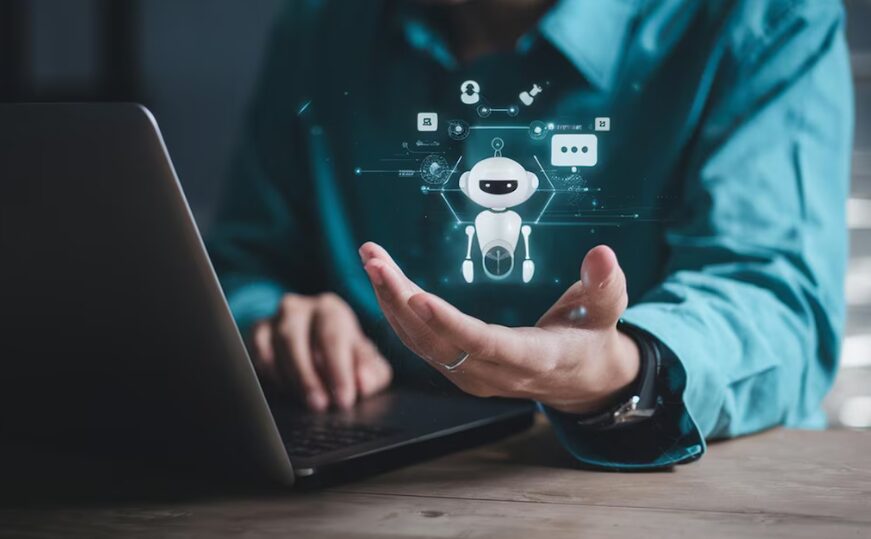
Artificial Intelligence (AI) has quickly become HR’s most talked-about new recruit — and for good reason. While many still associate AI with scanning résumés or answering basic queries through chatbots, its true influence runs much deeper. Across industries, AI is now embedded in every stage of the employee lifecycle, from the moment a CV lands in a recruiter’s inbox to the day an employee walks out the door.
In recruitment, AI has evolved far beyond keyword matching. Today’s systems analyze career histories, assess soft skills through video interviews, and even detect unconscious bias in shortlisting. Unilever, for example, has cut hiring times by 75% by using AI-powered video assessments that study facial expressions, tone of voice, and word choice. This shift means hiring is faster, fairer, and more predictive than ever before.
The onboarding experience has also undergone a transformation. New hires can now interact with AI chatbots that answer FAQs around the clock, guide them through company policies, and deliver role-specific training schedules. A leading financial services firm recently reduced its onboarding period from 10 days to just 3 by automating administrative tasks and using AI to customize learning paths. For employees, this creates a smoother transition into their roles while reducing HR’s administrative burden.
AI is also revolutionizing how organizations listen to their workforce. By analyzing pulse surveys, team chat messages, and feedback forms, AI tools can detect early signs of disengagement or burnout. Platforms like Glint and CultureAmp now provide live “mood dashboards,” enabling HR teams to address problems before they escalate into resignations. Silent dissatisfaction is spotted and resolved before it damages morale or retention.
When it comes to learning and development, AI is stepping into the role of career coach. Intelligent platforms recommend personalized learning paths based on each employee’s role, skills, and career aspirations. IBM’s Watson Career Coach, for instance, guides employees towards in-demand skills and potential internal job opportunities. This tailored approach boosts engagement and retention by showing employees a clear growth path.
Performance management, too, has shifted from annual reviews to continuous, AI-driven evaluation. Modern systems track project outcomes, peer feedback, and client reviews to create a 360-degree performance profile. This data-centric approach helps reduce bias and ensures promotions and pay rises are grounded in measurable results rather than subjective impressions.
Even in the final stage of the employee journey, AI plays a role. Predictive analytics can flag employees at risk of leaving, sometimes with up to 85% accuracy. This allows HR to create targeted retention plans, such as mentorship programs or benefit adjustments. And when departures do occur, AI streamlines offboarding with automated checklists, knowledge transfer tools, and data analysis for future hiring improvements.
Despite these advancements, experts caution that AI is not a replacement for human judgment or empathy. HR leaders must act as ethical gatekeepers, ensuring algorithms remain transparent, free from bias, and supportive of a people-first culture. AI can provide the insight, but it is still humans who must build trust, inspire loyalty, and handle the nuances of employee relationships.
As AI shifts from being a “nice-to-have” to an essential HR capability, the most successful organizations will be those that blend machine intelligence with human empathy. In the words of one HR tech leader: “AI can tell you who might leave the company, but only a human can convince them to stay.”

 Get it on Play Store