


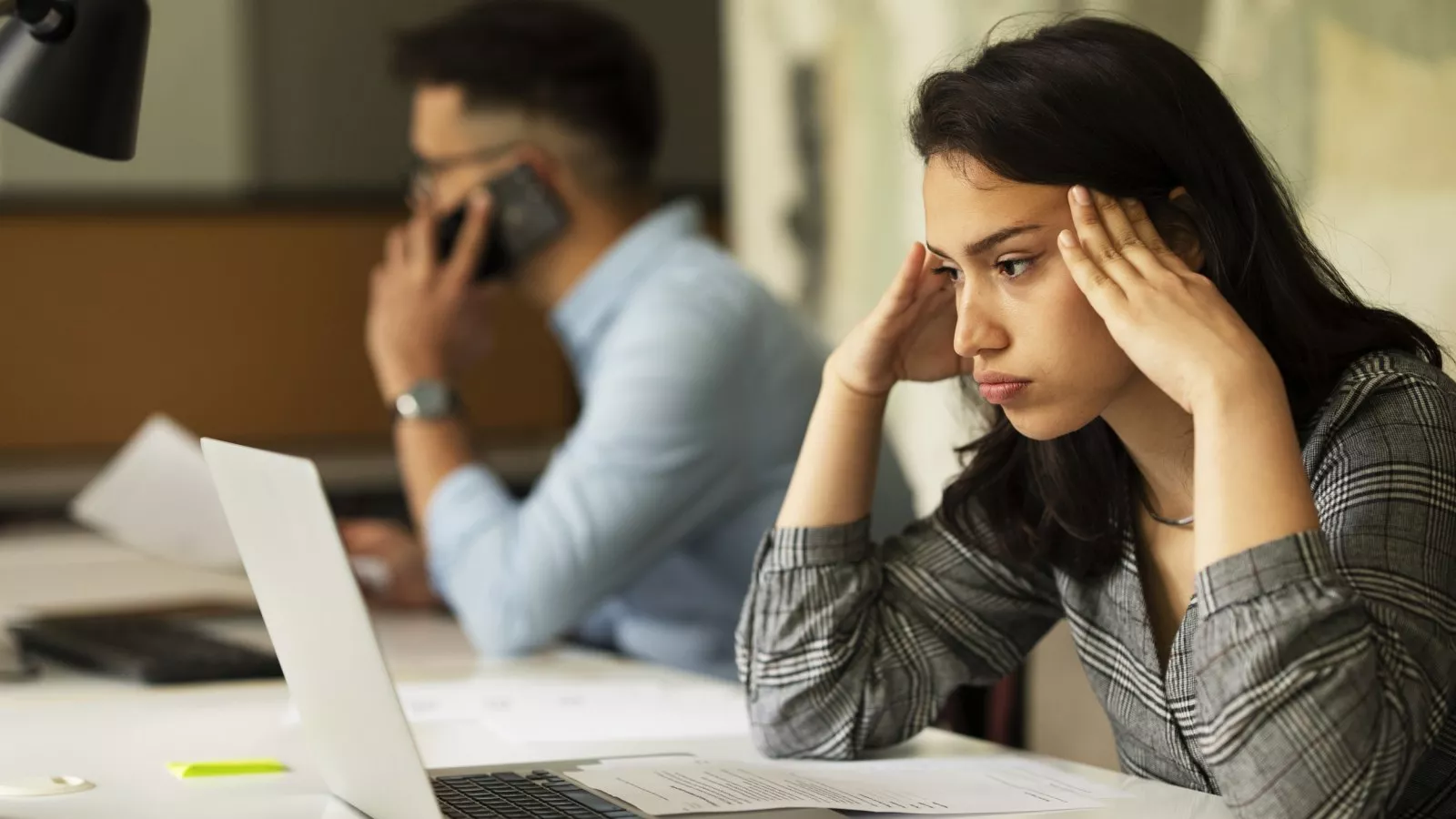
The soft glow of her laptop screen danced in Rhea’s eyes as she mindlessly scrolled through TikTok. At 24, freshly clocked out of her 9-to-5, she wasn’t really relaxing. Instead, an endless scroll of “5-to-9” videos filled her feed: perfectly whisked matcha, cozy late-night editing sessions under fairy lights, and toned bodies slipping into running shoes for an evening jog. The message was clear: your downtime should be just as productive—and just as aesthetic—as your workday.
What started as a rebellion against hustle culture has quietly become hustle culture’s evening twin. Gen Z’s post-work hours are now filled with green juices, bullet journals, curated self-care rituals, side hustles, and perfectly prepped meals, all wrapped in soft lighting and soothing music. But behind this aesthetic productivity lies a troubling question: are these routines truly relaxing, or are they just another performance?
The Hidden Pressure of Performing Rest
“Gen Z delivers in the workplace—they’re sharp, focused, and efficient,” says Praveer Priyadarshi, a senior HR leader. “But outside of work, they face a different kind of pressure, mostly driven by social media validation. It’s not enough to enjoy your evening—you have to prove it’s meaningful.”
Every post, every story, every reel becomes a test. A video that doesn’t perform well doesn’t just sting your social stats—it can feel like a personal failure. The result? A dopamine-fueled cycle of seeking likes, views, and approval, turning relaxation into a competition.
This quiet burnout hides behind soft pastels and peaceful playlists. Instead of using their evenings to recharge, many young professionals are just switching from work-mode to brand-mode—optimising their leisure time, curating their hobbies, and showcasing their “rest” for an audience.
From Cubicles to Camera Frames
“Today’s post-work routines aren’t about slowing down,” explains Chandrasekhar Mukherjee, another veteran HR leader. “They’re simply a continuation of the hustle—just with prettier lighting. You leave your work screen behind, only to pick up your phone screen. The cubicle is gone, but now you’re boxed in by a camera frame.”
Mukherjee points out that even activities meant to relax us—gym sessions, journaling, reading—have become content opportunities. It’s no longer enough to simply do these things. You have to be seen doing them.
And even those who aren’t aspiring influencers feel the pressure to keep up. It’s less about building a personal brand and more about avoiding the fear of social irrelevance.
The Constant Chase for ‘Something More’
“Social media is the new cinema,” says Mukul Chopra, former CHRO of ConveGenius. “But unlike a movie, it never ends. And that’s dangerous because it creates this constant feeling that you should be doing something better, cooler, more productive.”
He compares it to the tech workers of the early 2000s—highly skilled but often isolated, living through their screens. Except now, it’s not a niche group—it’s all of us. And instead of quietly being overworked, we’re performing happiness, productivity, and balance for others to see.
Burnout in Disguise
This pressure to constantly do and share takes a toll. Many Gen Z professionals report feeling more anxious, sleeping less, and experiencing burnout—despite checking off every self-care and productivity box in their nighttime routine.
The irony? What was supposed to be their escape from the 9-to-5 grind has become its mirror image. The hustle just got a new schedule—and softer lighting.
Choosing Joy Over Performance
Of course, not every evening routine is harmful. As Mukherjee points out, hobbies like swimming, badminton, gaming, or painting can be restorative—if they’re driven by personal joy, not by social media trends.
For Gen Z, whose world has been shaped by economic uncertainty, climate anxiety, and a pandemic that blurred work-life boundaries, these routines can feel like an attempt to regain control. But when your personal time becomes just another arena for performance, burnout isn’t a risk—it’s inevitable.
The real answer may lie in redefining what success looks like after hours. Maybe it’s an evening where nothing gets posted. Where hobbies are enjoyed quietly. Where rest isn’t a reward for being productive—but a right, whether or not it fits in a TikTok frame.
Because true balance isn’t always aesthetic. Often, it’s messy, imperfect, and—most importantly—private. And for a generation raised on visibility, perhaps the most radical act of self-care is learning to rest unseen.


 Get it on Play Store