


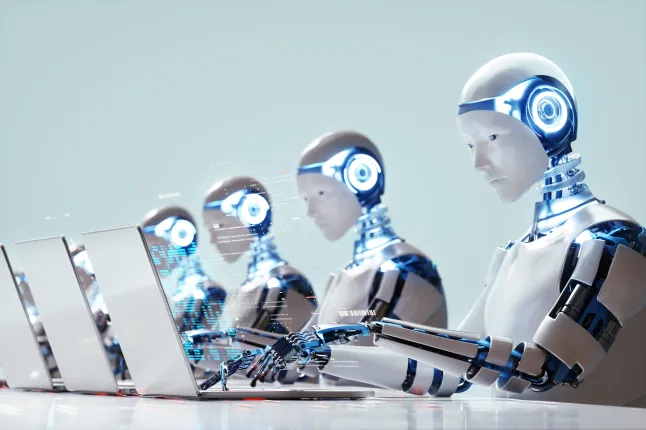
Artificial intelligence is currently creating more jobs in India than it is eliminating, according to a new report by Japanese brokerage Nomura.
The report estimates that AI-related hiring across India has exceeded job displacement by more than 51,000 roles. Rather than triggering widespread layoffs, AI adoption is reshaping workforce requirements and creating new opportunities across areas such as data, engineering, product development and support.
According to analysts, much of the employment growth is being driven by companies adopting AI tools internally and IT-services firms developing AI solutions for global clients. Demand has risen particularly for professionals working in AI development, data labelling, prompt engineering, model training and AI governance.
At the same time, AI has automated certain repetitive and entry-level tasks, resulting in job displacement in some areas. However, Nomura’s findings suggest that these losses are being offset by the emergence of new roles and changing skill requirements.
India’s large talent pool and cost advantage have also helped position the country as a major hub for AI implementation and services. Industries including banking and financial services, healthcare, retail and manufacturing are increasingly hiring as they integrate AI into business operations, production and customer service.
Nomura cautioned that the overall positive employment trend does not mean every worker will benefit equally. The transition will require greater investment in upskilling and reskilling, particularly for employees whose existing roles are vulnerable to automation.
The report describes AI in India not simply as a job destroyer, but as a “job transformer”, with growing demand expected for professionals who combine domain expertise with AI literacy.
The findings add to broader evidence that, particularly in emerging markets, the early stages of AI adoption may be contributing to net job creation rather than widespread employment cuts.
For Indian workers, the message is increasingly clear: the biggest opportunity may not be competing against AI, but developing the skills needed to work alongside it.


 Get it on Play Store