


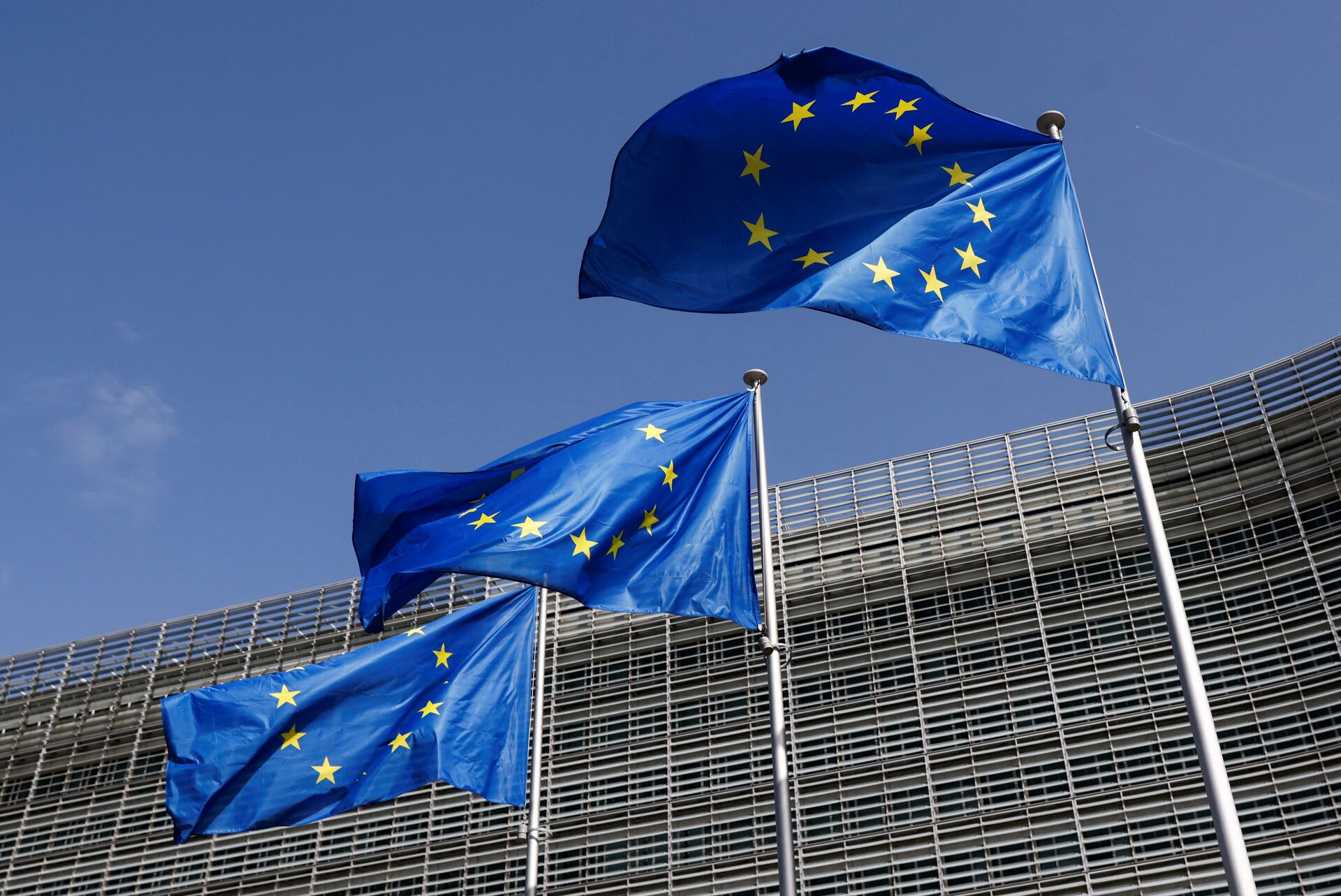
The European Union could face significant employment challenges this year as rising energy costs place pressure on key industries, according to an assessment released by the European Commission on 4 June 2026.
The Commission estimates that up to 1.3 million jobs across the bloc could be affected if elevated energy prices persist following tensions linked to the US-Iran conflict. Energy-intensive industries are expected to face the greatest impact due to higher operating and production costs.
The automotive sector is projected to be among the most affected, with as many as 600,000 manufacturing jobs potentially at risk. Additional employment losses could occur in construction, metals, chemicals, and transport, where a combined 56,000 jobs may be impacted.
The clean energy sector is also facing challenges. The Commission estimates that approximately 85,000 jobs in battery manufacturing and nearly 59,000 positions in solar panel production could be affected. The steel industry may see around 4,500 jobs at risk as companies contend with rising costs associated with low-carbon compliance measures.
Higher gas and fuel prices have increased operating expenses for manufacturers and transport providers, contributing to broader economic pressures. The Commission also noted that lower-income households may experience higher transportation costs, with fuel expenses potentially accounting for an additional 1.4 percent of household income.
The EU’s manufacturing sector employs roughly 30 million people, while the services sector supports nearly 87 million jobs across member states.
European governments face a more constrained fiscal environment compared with the response to the 2022 energy crisis following the Russia-Ukraine war. Officials have indicated that higher public debt levels and slower economic growth limit the scope for large-scale financial support measures.
To address the situation, the European Commission has proposed a range of measures under its “AccelerateEU” initiative, including reductions in energy-related taxes and actions aimed at improving fuel supply resilience. However, officials have cautioned that the economic impact could continue for an extended period, depending on developments in the Middle East and global energy markets.


 Get it on Play Store