


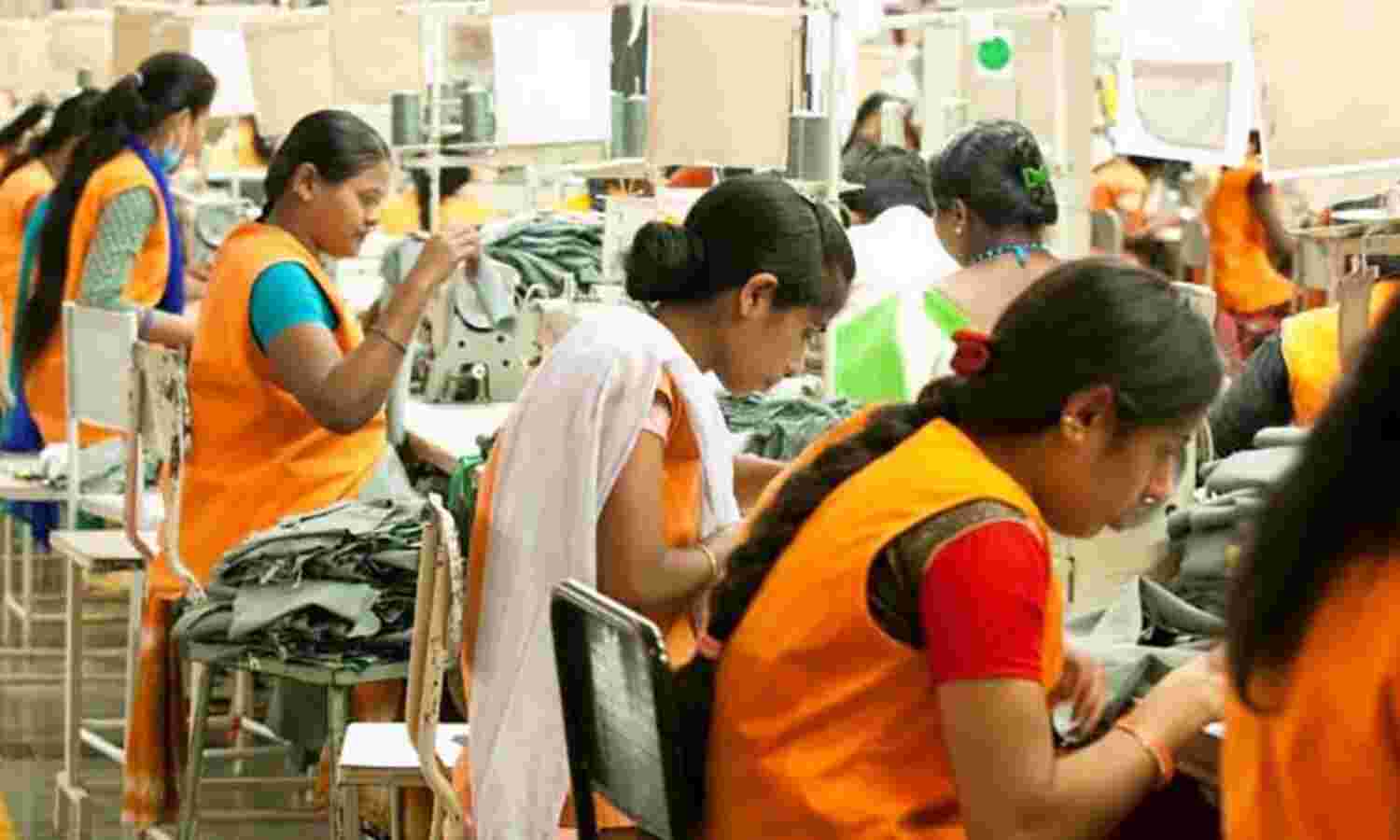
India’s female labour force participation rate (FLFPR) has increased from 23% in 2017–18 to approximately 42% in 2023–24, according to the Ministry of Labour and Employment.
The Ministry said the improvement reflects the impact of various government initiatives aimed at expanding women’s access to employment, skill development, entrepreneurship, and financial inclusion. It also referred to World Bank data indicating that India has recorded the largest increase in women’s labour force participation among BRICS countries over the past decade.
According to the Ministry, several policy measures have been introduced to improve workplace inclusion and encourage greater participation of women in the workforce.
These include:
- Exemption from examination fees for women applying to competitive government recruitment.
- Up to 730 days of Child Care Leave for eligible government employees.
- Policies encouraging the posting of spouses at the same location where feasible.
- 180 days of maternity leave for eligible women employees in central government service.
The government said multiple ministries have also implemented employment generation and skill development programmes designed to improve women’s employability and equip them with industry-relevant skills.
To strengthen support systems, the government highlighted the establishment of One Stop Centres across the country. These centres provide integrated assistance to women affected by violence, including medical care, legal aid, psychological counselling, and temporary shelter.
The Ministry stated that increasing women’s participation in the workforce remains an important part of India’s long-term development strategy. It added that continued investments in employment opportunities, workplace inclusion, skills training, and social support mechanisms are expected to help sustain the upward trend in female labour force participation as the country works toward its development goals for 2047.


 Get it on Play Store