


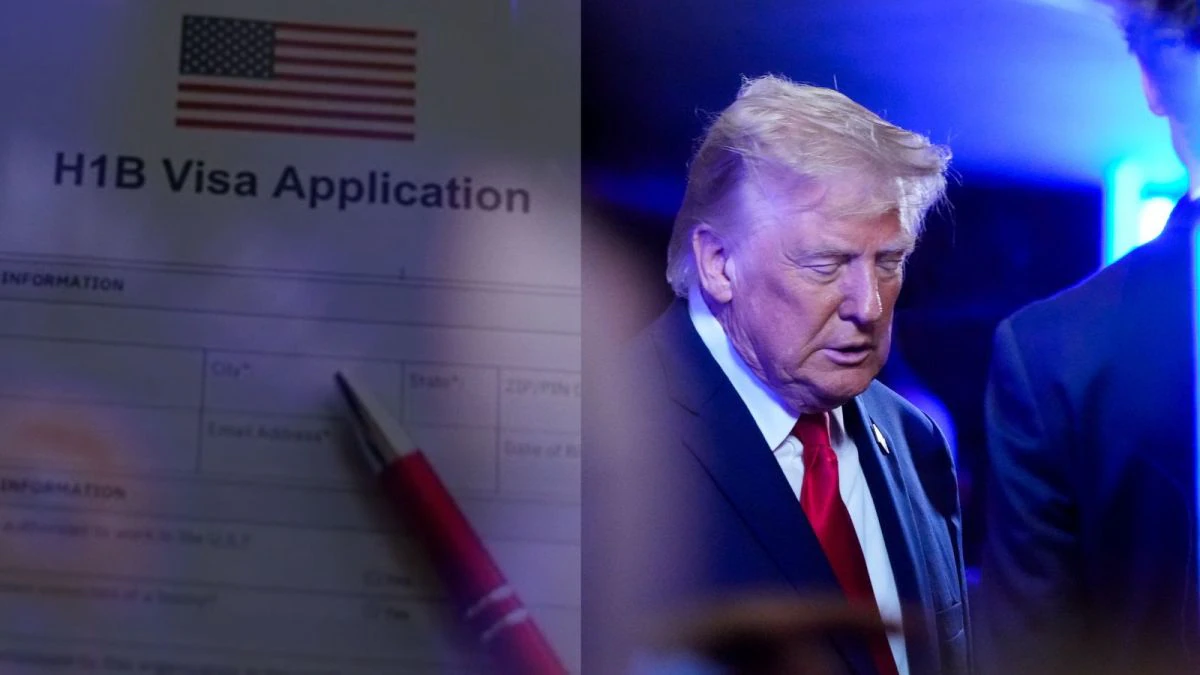
A US federal court has invalidated a $100,000 fee imposed on new H-1B visa applications, ruling that the measure exceeded executive authority and amounted to an unlawful tax without congressional approval.
US District Judge Leo Sorokin ruled that the fee, introduced through a presidential proclamation in 2025, functioned as a tax rather than a regulatory charge. The court found that only Congress has the authority to impose such taxes and ordered the policy to be vacated nationwide.
The fee had significantly increased the cost of obtaining new H-1B visas, a program widely used by US employers to hire skilled foreign professionals in sectors including technology, healthcare, education and engineering. Prior to the policy, total H-1B-related fees were generally far lower than the newly imposed surcharge.
According to court filings and government records, only a limited number of employers proceeded under the higher-fee regime after it took effect. Several organizations and state governments argued that the policy hindered recruitment efforts in industries facing labour shortages.
The ruling allows employers and applicants to continue using the standard H-1B application process without the additional $100,000 payment requirement. The US Department of Homeland Security has indicated it will comply with the court order while legal proceedings continue.
The Trump administration has appealed the decision and maintains that it had the authority to impose the fee under existing immigration laws. The outcome of the appeal could determine the future of the policy.
The H-1B visa program remains a key pathway for US employers seeking to hire foreign workers in specialized occupations, and the court’s decision is expected to have implications for businesses, educational institutions and healthcare providers that rely on skilled international talent.


 Get it on Play Store