


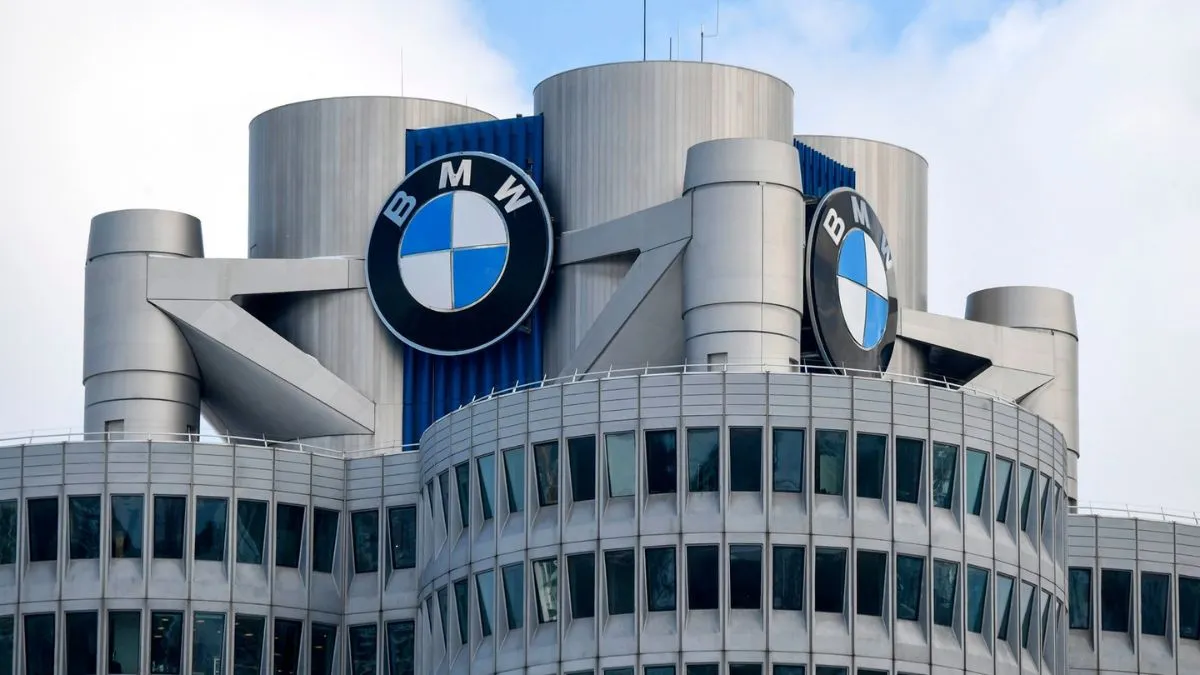
German luxury carmaker BMW is set to reduce its global workforce by approximately 8,000 employees by the end of 2027 as part of a restructuring programme aimed at improving efficiency and responding to changing market conditions.
According to company sources, the planned reductions will be implemented through a voluntary redundancy programme focused on administrative and development functions in Germany. BMW said production employees will not be affected by the initiative.
Around 40,000 of the company’s 85,000 permanent employees in Germany will be eligible to participate in the voluntary programme, which is expected to begin in October. BMW currently employs about 154,000 people worldwide.
Speaking at a recent employee meeting, BMW production chief Milan Nedeljković said the global automotive industry is undergoing significant change. He pointed to declining demand in China, increasing competition from domestic electric vehicle manufacturers, U.S. tariffs, and lower profit margins on electric vehicles as key factors influencing the company’s restructuring plans.
BMW revised its financial outlook earlier this year after reporting weaker sales in the Chinese market. The company has since indicated that it will accelerate cost-control measures to help maintain profitability amid challenging business conditions.
The announcement comes as several major European automakers implement similar restructuring efforts. Volkswagen is considering large-scale workforce reductions as part of a wider transformation across its brands, while Mercedes-Benz has introduced voluntary separation programmes. Porsche has also outlined plans to reduce its workforce over the coming decade as it adapts to shifts in the automotive market.
Industry analysts say manufacturers across Europe are facing mounting pressure to balance investments in electric mobility with slowing global demand, increased international competition, and evolving trade policies.
BMW confirmed that it has reached an agreement with its works council on a restructuring programme covering white-collar roles, although the company has not publicly disclosed the total number of positions expected to be affected.
The restructuring is intended to streamline operations while positioning BMW to compete more effectively during the industry’s ongoing transition toward electric mobility and digital technologies.


 Get it on Play Store